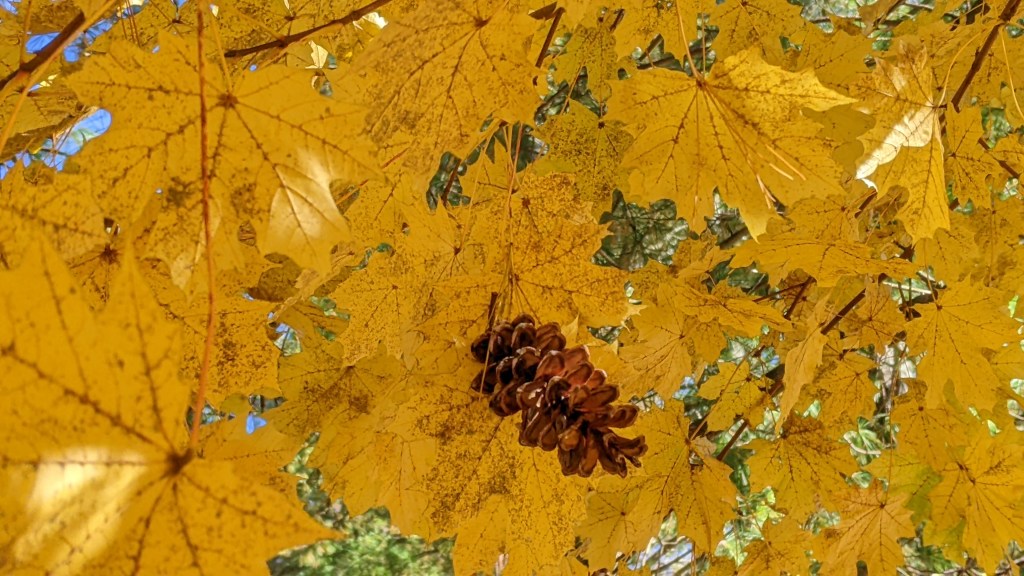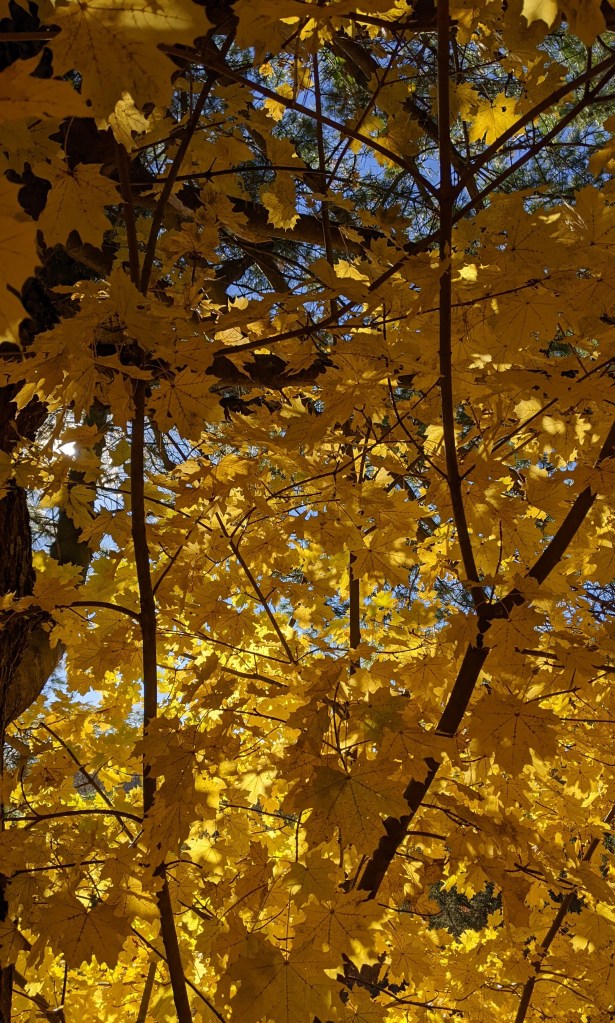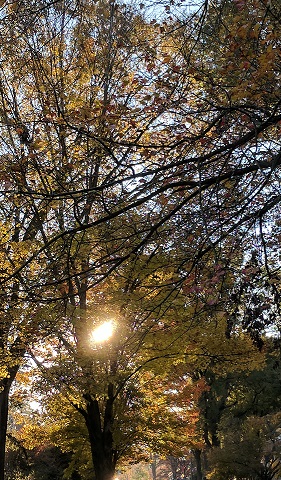
Fall in the High Country #afternoonview @ExploreBoone #Octobers

“I’m so glad I live in a world where there are Octobers.” L.M. Montgomery, Anne of Greene Gables

Montgomery said it best, and there’s really nothing more to add: Octobers are the absolute best and the arrival of color in the NC High Country is almost beyond words. Yellows that are deeper than any palette of oils and fire reds that burst onto the horizon — if only fall could last all year. Trying today to hang onto these colors, and this feeling.

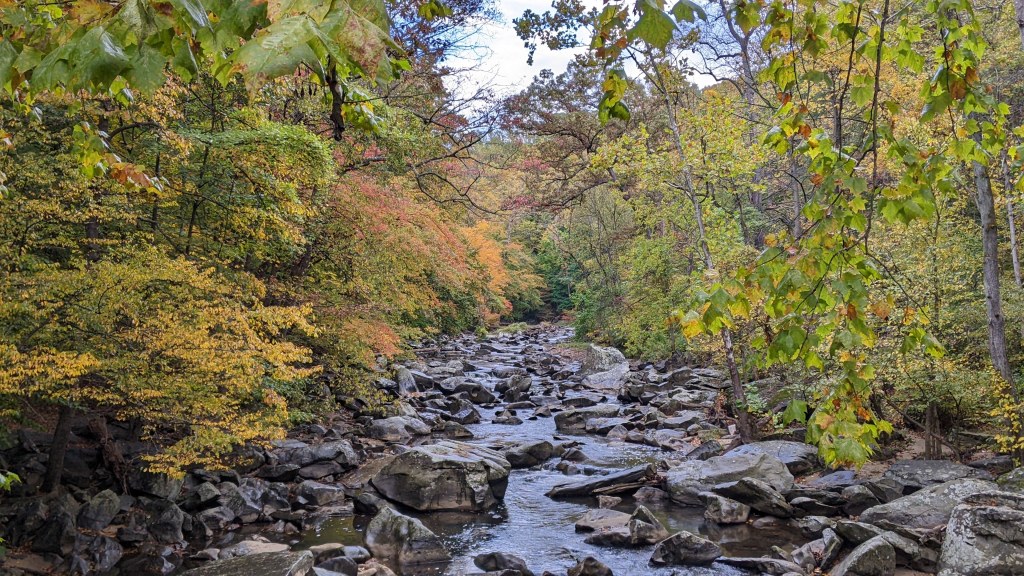
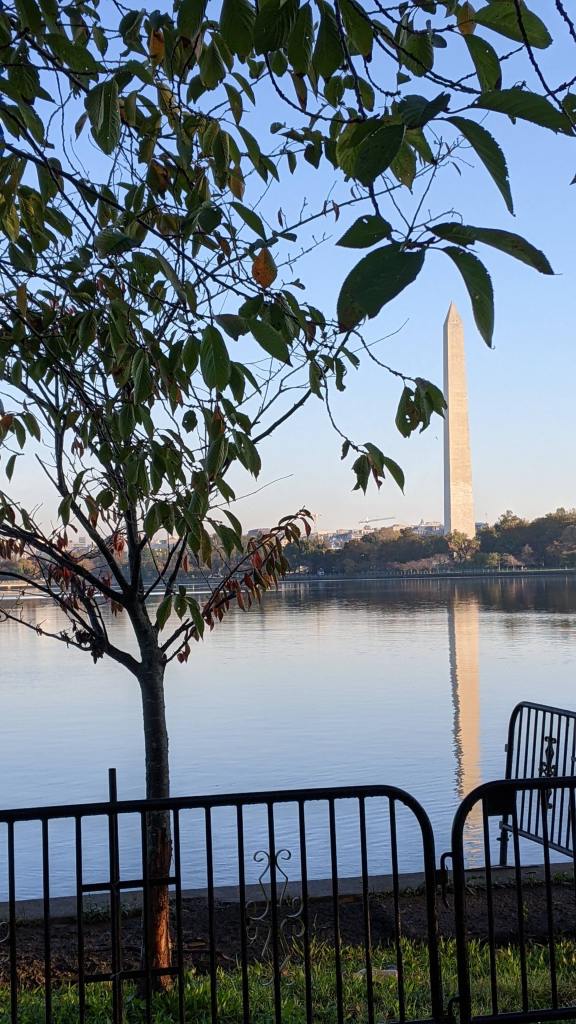
A River Runs Through It #morningview #RockCreekPark

Fall has come to Rock Creek, and each fall I hear Robert Redford’s voice as we hike the trails of this national park nestled in the middle of urban DC. A River Runs Through It (based on the book of the same title by Norman Maclean) one of the best outdoor movies of all time, is where Redford’s voice originates — the timbre of his voice and its slowly undulating storytelling phrasing, is that of fall — the story of autumn slowly unwinds from the lush green of summer to reveal hidden colors and valleys that summer masks with its humidity. Most everything I know of storytelling comes from Robert Redford voice — pacing, deeply descriptive language, emotion, painting — listening to his voice in River will have you ready to buy your first fishing pole and metronome (or hiking poles too) and head to the woods in wool trousers. For fall, I highly recommend watching, but mostly listening to River — and seeing where you feet on the dream of autumn will take you.

6-Minute Scene #whyIwrite #nationaldayonwriting #morningview @NCTE

Last Friday in celebration of the National Day on Writing, I hosted one of three live/online workshops for my university’s first ever #whyIwrite event. Each workshop (creative nonfiction -me, poetry, environmental writing) was a flash: 30 minutes including guidance on what to write, writing, sharing.

For my session, students worked with the last photo on their phone to write as descriptively as possible the scene of the photo which could include background details that led to the photo as well as the scene unfolding in the photo. My own example below. Tip for students: this is a great exercise to break writer’s anxiety/block.

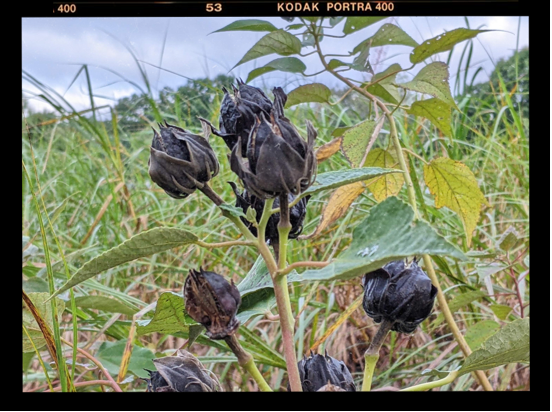
The air that was laden with humidity just days ago is finally crisp – it’s possible to move freely now outside without the weight of heat-filled water pressing down on my scalp. Today, my cheeks feel the tiny pricks of the wind that keep my face and head cool as I walk at a faster clip up the hill than I’ve been able to do in months. Darkened seed pods greet me on my approach that just days ago held the only wisp of summer flowers to grace this red mud hill. The wind carries the whistle of an oncoming train but I knew it was near before – the wind carries too the aging roasted and burnt tar of railroad ties before I turned this corner. The train rushes in on its way through town, blowing, as if those of us on the trail might leap down – the hawks, pigeons and waterlings scurry away in fright at the depth of the engines bluster and seemingly endless chugging, the humans not so much. We are unphased – the speed and dust kicked up by the engine’s pull cause these remaining seed pods to stir, but not drop, clinging to the best of seasons, for a little while to come.

Deciduous & Muddy #morningview #cherryblossoms #DCHistory

The history of DC’s cherry trees is fairly well known, but the story of how these trees must be protected and cared for, probably less so. To add to the complexity of preserving these aging trees, their micro-environment here at the Tidal Basin is fraught with peril. The land around the basin is slowly sinking while sea levels rise, and today it’s nearly equilibrium as sidewalks surrounding the basin as well as the soil to which these delicate trees cling, are often flooded. Add in the torrential storms that pass through the region, along with upper Potomac run-off that speeds toward the Atlantic from the Blue Ridge and suddenly using the word “peril” doesn’t seem extreme.

The beauty of the trees draws visitors from around the globe and I’ll be the first to admit, there is something about this natural display of pink cotton balls that has me on blossom watch too — and I too, like so many, feel drawn to be part of the festivities. It’s not only the natural explosion of color, it’s the participatory nature of the blooms — the cooperation, the friendliness, the seeing people from all walks join in conversation — all because of these blossoms. But then, the blossoms wither, and next thing I know, humidity is bursting onto the scene and we are left with the hordes of school groups that descend and no one seems to care much for the less than glorious green leaves of summer, or the deciduous scrawniness of fall. Or more importantly, the floods that leave walkers and runners clinging to the sides of the basin.

This is the real story of the tidal basin: we love it when we love it (much like any natural environment), but when we’re not in it, we cease to give it a second glance. So true is our approach to climate change, rising seas, and all that goes along with this perilous issues — our lack of a backward glance drives these changes. I would never propose to know the path forward, but I do know which paths become impassible without change — today, we’re in the mud, but to preserve beauty, simply moving to higher ground is no longer enough.

Grey Skies and Mist #morningview #REI #getoutside

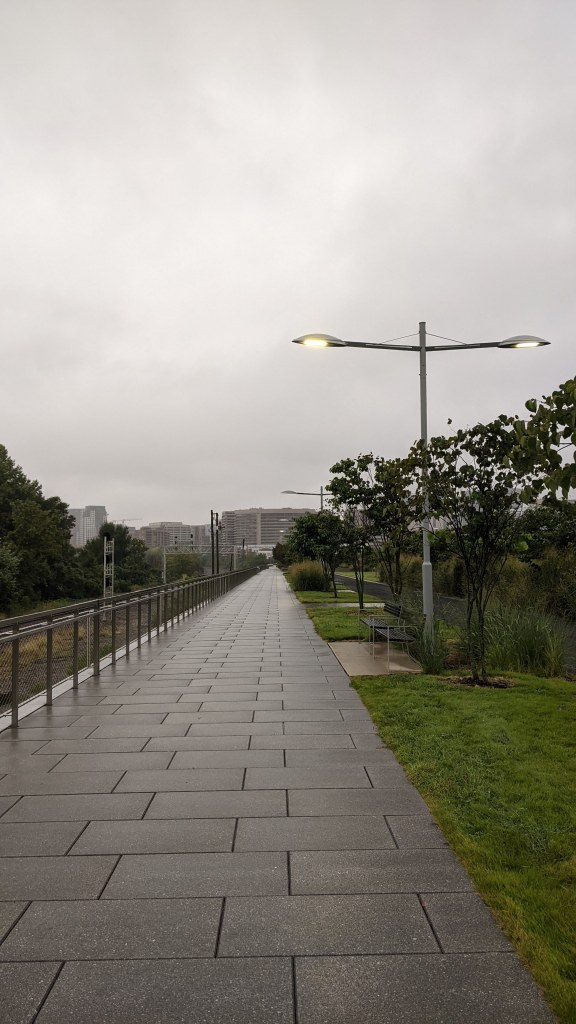
When you wake up at the weather app says it’s only 59 degrees, it is a feeling of pure joy; just two weeks ago it was easily 89 with 100% humidity just after the sun rises. On this glorious day to come, it looks as if the sun may not ever peek through and after a blistering, sweltering summer it is absolute relief to be outside — in a raincoat — walking at a fast clip without streams of sweat rolling down our faces.

Just the day before we purchased new raincoats at REI (member sale weekend – wahoo!). The tag in these Rainier model coats, a coincidental prediction of weather to come boldly states, “Get outside like you’re from Seattle.” When we were standing in line to purchase these, we wondered aloud to each other — well, we are from Seattle originally, shouldn’t we get a extra discount? As a member my entire adult life, which I obtained at the original REI warehouse store on Seattle’s Capitol Hill, I do think I should probably be eligible for some sort of “extra” to celebrate my longevity and devotion. Those original wood plank floors and bins of wool hats and gloves with skis hanging from the rafters were an REI far from its look of today — the scrappiness is missing. Maybe I’m not scrappy anymore either, and maybe that should be okay (but it’s not, really).

There is great value in scrappy and grey — it is not the languish or morbidity of heat, nor the shock of freeze that can paralyze — scrappy and grey is movement. Movement toward something, away from something, into something — the breadth and depth of a fog that reveals, or a tidal bump that offers a nudge. Grey and scrappy is to set the mind free through an afternoon of sketching or reading; it is also the creative big that bites and leads to discovery.

Grey mist doesn’t slow one down, it just requires the right layers to move ahead: scrappy power.

Fall Arrives #morningview #longbridge

The humidity snapped: we never think it will happen and then magically it does. Hoodies, sweaters, long sleeves and jeans all come popping out of the caverns these have been stuffed into. We walk outside and can actually breathe freely, not hesitatingly, not haltingly as we must through the exhaustion of constant heavy air — we can actually move in this air that does not wear us down and wear us out within minutes. The fall is when we begin to feel alive after the drudgery that is summer here: we can greet the day with some level of joy and yet still enjoy an iced coffee on the sidewalk (in our hoodies).

John Keats wrote “To Autumn” September 19, 1819 and the first stanza in particular speaks to all the glory that is this season — the best season.

To Autumn (first stanza here, link to complete poem)

Season of mists and mellow fruitfulness,

Close bosom-friend of the maturing sun;

Conspiring with him how to load and bless

With fruit the vines that round the thatch-eves run;

To bend with apples the moss’d cottage-trees,

And fill all fruit with ripeness to the core;

To swell the gourd, and plump the hazel shells

With a sweet kernel; to set budding more,

And still more, later flowers for the bees,

Until they think warm days will never cease,

For summer has o’er-brimm’d their clammy cells.

Rails, Planes, Bridges #morningview #longbridge #neverforget

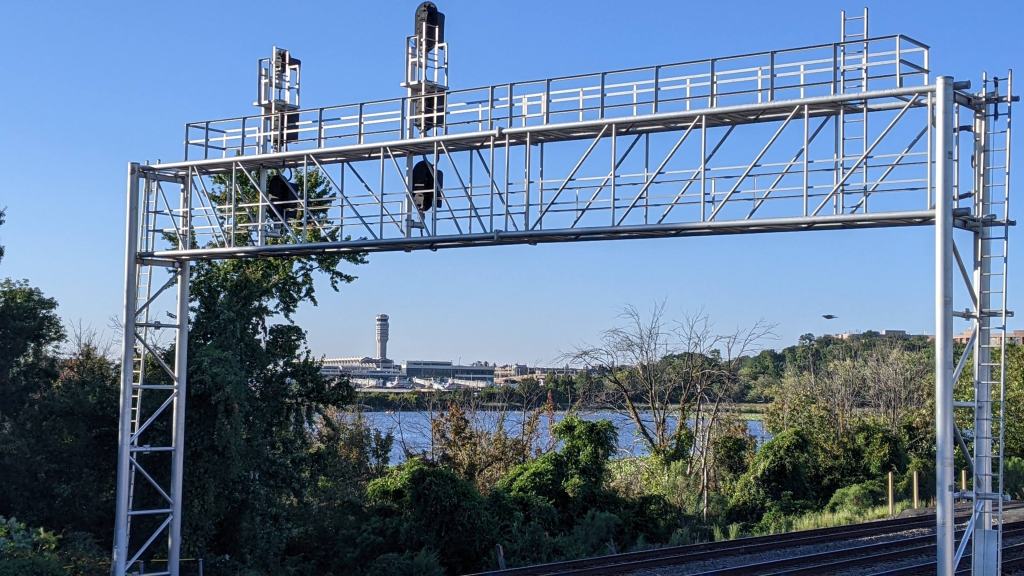
Since 1808 the area known as Long Bridge has connected the Virginia side of the Potomac to the D.C. side of the Potomac; historically, this area was part of the capital city but was ceded back to Virginia pre-Civil War. A quick Google will turn up facts such as the history of the foot bridge here where rates were different for foot-only, or person plus horse traffic, and sheep or pigs. Today, freight and commuter trains roll by while planes take off nearly every minute from National Airport (as a long-timer here I do not call this airport by its current name). This week on one of the first not excruciating days of September, the skies are blue and clear — no humidity haze hangs on our heads as we walk and watch the human and nature made transportation soar and roar past us.

This particular week of September always feels compressed: the weather is finally changing, the sky is clearing but there are memories and sadness that lead to the compressed feeling compared to the expansiveness that next week will bring with the seasonal changes. Twenty-two years ago, September mornings started much the same as this one – clear blue skies, beautiful temperatures to meet the sunrise – a fall day full of hope. And smoke. And jet fuel. And destruction. And words that still do not full express the trauma of living near, and with terror. Here on this path, in the shadow of the Pentagon and its breach, I always feel that we live in one of the safest places in the world — we know the sounds of various types of helicopters, to look for the signs — a silent sky is not a friendly sky. It’s hard to think of the losses that are ever-present in hearts and minds. On this day, there is peace on these banks. The seabirds fly, the squirrels frantically dart and the day goes on as any other early fall day might, except for the memories.

Fondue: Before and After

On the left, our Christmas Day fondue spread and on the right, our Boxing Day brunch casserole — made with the leftover bits from the fondue spread. First, the list of fondue items included: sourdough cubes, baked french fries (Trader Joe’s), cornichons, honey crisp apples, ham cubes and broccoli. My interest in fondue came from three distinct directions: 1) I am a child of the 1970s, therefore in some way fondue must be in my soul. 2) Every night, my daughter and I listen to Flat Stanley which has a reference to fondue (and poutine at some point) and 3) I found this lovely Swiss Emmi cheese in the market just downstairs — a fortuitous find in my quest to have an easy but fun Christmas meal for our small family (it’s our day to read and go to the movies, and we’re anti-travel on any major holiday).

The best part of the fondue journey was our trip to Target to find the pot — though my husband insisted that from his memory you could make melty cheese in any regular sauce pan (because melty cheese is pretty much sauce anyway), but I wanted the full-in 1970 experience including matching skewers. We arrive at Target, and because we didn’t see any pots near the regular crock-pot type area (which I assumed to be a close match) I ventured to ask the first associate I found. First, he kindly explained he only worked nights and then offered to help us find someone with the right scanner for electronic searching. On our walk towards this new person, he wanted to know what fondue was — so I quickly explained. Then he relayed this to our new person, associate #2 — who looked at my like I was nuts. A pot for melting cheese? She decided we better get associate #3 involved who quickly proceeded to start typing into his handheld device – but on second thought, asked me how to spell fondue. And, key the Property Brothers “aha lights” and we have a match in the Target database! And there is one, or several in the store, on the aisle directly across from where we are standing! Now, all five of us — me, my daughter and three Target associates are going to see the magical fondue pots. As we get closer, I pick up the pace a little because it’s at the end of the row and the shelf looks pretty bare except for a display model (with skewers) — now I can show everyone how fondue works, right here in aisle 29! And snag the very last one (boxed) from the shelf for our little celebration of melty cheese. I am pretty sure we still left our three associates a bit befuddled…I really thought fondue was making a come back.

First, fondue is easy. Second, the leftovers make this great casserole for brunch the next day along with four eggs, some milk and a little mozzerella for the top at 350 for 30-40 minutes. If there is left over Emmi or other fondue cheese (who ever has left over cheese?) that would work for the topping as well. There’s been a lot of coverage in the news recently about “adulting” classes — and I like to think of breakfast casserole as one of those essential adulting meals — you just know what to throw together, from what leftover, that will melt well together into a one-dish meal. Easy, breezy and I don’t know why schools obliterated home economics — I know it doesn’t meet an AP standard or raise SAT scores, but really it should be mandatory learning for all high school students to understand how to turn fondue into casserole. As a teacher myself, any student that can write out the instructions on this conversion will show me not only creativity, but the fact that they can survive on their own, and that will always garner a gold star from me.

Jólabókaflóðið = Christmas Book Flood

IMG_20181225_064318Jólabókaflóðið or Jolabokaflod (Christmas book flood) is the Icelandic tradition of giving books (and reading) during Christmastime, due to the fact that most books in Iceland (Reykjavík is a UNESCO City of Literature) are published during the autumn months. Our family adopted this tradition early on, since not only do we buy lots of books anyway, but it seemed like a good way to spend part of Christmas Eve anyway by stopping into a bookstore as part of our hygge-like celebration of the season. We’ve hit a variety of shops over the years from the local Barnes & Noble, to last year’s visit to the amazing Strand and this year to Politics & Prose.

Books are the backbone of this home – stacks are often found well outside any shelf, and really there are never enough shelves no matter which home we’ve lived in for any length of time. There are books in storage, in the basement, under beds and in closets. We also have three working Kindles (great for travel, audio books and music). If books decorate our home, a trip to the bookstore is a serotonin boost for us — to be near all of those words, with their stories (albeit some better than others), and to get a coffee and cake after perusing and buying the next treasure? Best days ever. No matter how we’ve often lived on academic salaries, lay-offs and what seems like an unending tide of medical bills — for books, while we may pace ourselves, we’ll find a way to buy what we consider friends and bring them home to be members of this otherwise small family of three. There is no such thing as too many books for us and here’s why — because these are our friends, we can always go for a visit — a favorite passage, or an entire round-trip visit, a quick view or an afternoon, doesn’t matter; like our human friends, some days we have more time to chit-chat than others. We love libraries too, more on that later.

Merry Book Flood one and all!


You can take the girl out of the rain…

IMG_20171116_075658...but you can never take the rain out of the girl. Growing up in the Pacific Northwest, rain is a constant; we have 90 ways of describing the gray-ness that envelopes the city, lowlands and coasts — and the words differ depending on your location. In my current near-South location, autumn is rapidly coming to a close and yet, the sun still shines — and it’s not that I don’t appreciate the sun, but I miss the life-giving force and comfort of the rain, despite the fact that when I live in the Northwest I must seek the healing power of acupuncture and high-intensisity lights to work through my seasonal depression. When I find neighbors still watering their lawns here, I’m aghast at the wastefulness — for in such a dry climate, how could one use this precious water for such luxury, when we have no idea when next we’ll see it in the sky? If my skin is so parched that no amount of water consumption or moisturizer makes a dent in my appearance or well-being, how must the land feel? It doesn’t take much historical reading to learn that crop failure is routine in the Mid-Atlantic due to weather conditions — early writings of Thomas Jefferson amongst other historical figures clearly indicate the financial boom and ruin of the region based on rain’s presence or absence.

As a Northwesterner, you learn as a child that rain and then snowpack define your level of water-usage throughout the year — no rain and no snow indicate “hold back” and most folks I knew growing up never watered their lawns — this obvious waste of a natural resource was forbodden. You learn to crave the rain, even when it causes traffic snarls, afternoon letheragy (an abundance of caffeine and chocolate cures exist to assist) and an obsession with the latest fleece styles. I suppose it’s possible that those of us that grew up with constant water in the sky are both blessed and cursed with the love of mist, dew, drizzle, sprinkle, downpour (usually only during November i.e. many famous Thanksgiving Day storms), pineapple express, el nino, el nina — and the list goes on. According to The Weather Channel, most PNW cities have less than five days per year with more than one inch of rain — but it rains at minimum, 150 days per year. To compare, New York receives about the same amount of average rain — but 30 more dry days (120 or so wet ones).

As the season of Advent unfolds, thoughts of light, darkness and shades between allow a bit of time for ponderance. Does my ever-watering neighbor continue in their pursuit of a lush lawn because their faith is stronger than mine? It’s a question worth asking, because my faith generall falls to go-slow, ponderous yet sporadic methodology. Does their watering timer provide the comfort of knowing that moisture, will be restored and that light will always follow darkness? Is my lack of watering, a lack of faith that the skies will once again open to reveal both skin and land-saving drizzle or even all-out stormdrain clogging, fat, lucious drops of what we Northwesterners call liquid sunshine?

This I know — I now dream in rain, because it is missing from my soul — the same rain that often tortures me, is part of me — it allows me a freedom that endless sun and heat do not. Rain provides the mental and intellectual respite for which sun is the opposite — sun drives, it does not rest. So until I return to greener roots…



Pennies from Heaven

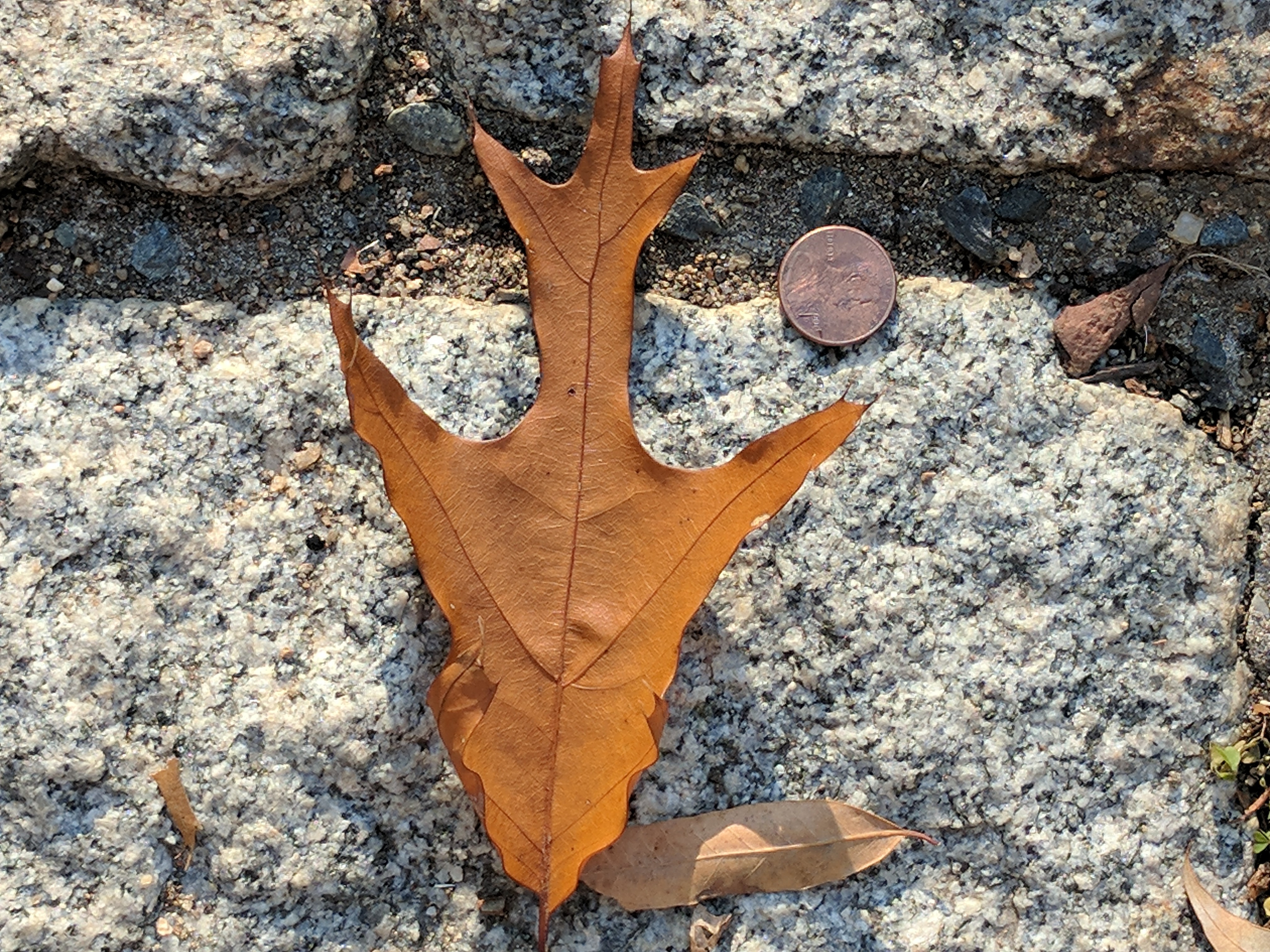
IMG_20171120_093357.jpgFrom late summer and as this autumn progresses — it seems like the constant theme is loss. While the wild colors of fall leaves in the mid-Atlantic are glorious as always, this year each falling leaf is accompanied by a sadness that a once beautiful, green, living life has passed onto the other side — the whithering side where memories grow dust in the farthest reaches of the mind. Grief and mourning are constants in life of course — there can be no birth without its opposite of death; it is also at this time of year when temperatures turn colder and cozy scarves abound that songs on the radio proclaim as ‘the most wonderful time of the year’ are endless. Autumn serves as a not subtle reminder, that to move towards rebirth we must plunge into darkess — and thanks for daylight savings time, darkness comes ever so early during this season.

On the day of the most recent human passing, pennies appeared at nearly every turn on my daily walk — my cousin has reminded me regularly since the death of her brother in August how pennies rain down on us from heaven. Bing Crosby sang ‘Pennies from Heaven’ in a 1936 film of the same title; other famous artists of the time recorded the song as well including Billie Holiday and Tommie Dorsey — a decade later Frank Sinatra, then Tony Bennet, Rosemarie Clooney — the list is long, and a list I never would’ve thought to look for, had I not been nearly tripping over pennies. The Sinatra version can be heard here: http://www.metrolyrics.com/pennies-from-heaven-lyrics-frank-sinatra.html — the most poignat lyric, “If you want the things you love, you must have showers.” And so must we have autumn — with all its sadness. While working towards the light and all its meanings from religious to earth-bound and metaphorical — the real movement is finding the beauty in those dusty memories that contradicts the raw placidness of falling leaves. Autumn is death in living reality. It is often said that memory fades with time, or that memories are enhanced to inaccruate levels of enlightened delusion — but perhaps not so, perhaps memories are the lights that carry and sustain us (however contrary to historic record). What is light if not manifest joy? What is a scuffed, or shimmering penny in the wane light of a fall afternoon, if not a tiny speck of light tossed into our path for remembrance?