
6-Minute Scene #whyIwrite #nationaldayonwriting #morningview @NCTE

Last Friday in celebration of the National Day on Writing, I hosted one of three live/online workshops for my university’s first ever #whyIwrite event. Each workshop (creative nonfiction -me, poetry, environmental writing) was a flash: 30 minutes including guidance on what to write, writing, sharing.

For my session, students worked with the last photo on their phone to write as descriptively as possible the scene of the photo which could include background details that led to the photo as well as the scene unfolding in the photo. My own example below. Tip for students: this is a great exercise to break writer’s anxiety/block.
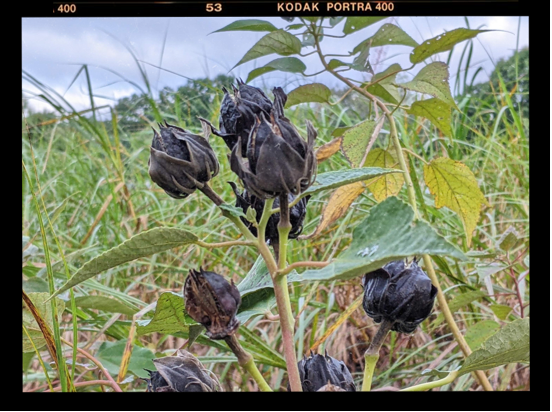
The air that was laden with humidity just days ago is finally crisp – it’s possible to move freely now outside without the weight of heat-filled water pressing down on my scalp. Today, my cheeks feel the tiny pricks of the wind that keep my face and head cool as I walk at a faster clip up the hill than I’ve been able to do in months. Darkened seed pods greet me on my approach that just days ago held the only wisp of summer flowers to grace this red mud hill. The wind carries the whistle of an oncoming train but I knew it was near before – the wind carries too the aging roasted and burnt tar of railroad ties before I turned this corner. The train rushes in on its way through town, blowing, as if those of us on the trail might leap down – the hawks, pigeons and waterlings scurry away in fright at the depth of the engines bluster and seemingly endless chugging, the humans not so much. We are unphased – the speed and dust kicked up by the engine’s pull cause these remaining seed pods to stir, but not drop, clinging to the best of seasons, for a little while to come.
The Vocabulary of Publishing #morningview #mfa

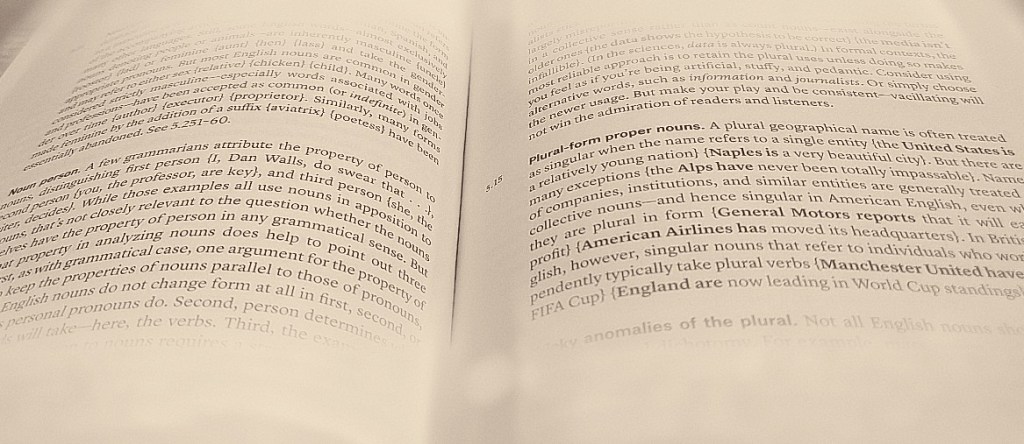
This week in my MFA publishing course we’ve been studying words — not writing words, but words specific to the world of publishing. As someone who studied linguistics, I’m torn between how to describe this new vocabulary. Is it jargon? Is it a lexicon? Is it terminology? My best assessment is that it is a little bit of all of these. In reading over lists of words, many of which would be familiar in non-publishing contexts, we were to write about and reflect upon unknown words or phrases and how these may impact or have a place on our writer’s path. Because I often think in poetic frame, my first thought was to create a haiku with these words and phrases.

Black swan, long tail, DAD

Backlist, ONIX, remainder

Colophon, frontpiece.

Against-the-grain, bulk

Earn-out, card deck, leasing, floor

Single-title-author plan.

Preprint, mobi, slush

Back matter, EAN, PPB

Midlist, sweet spot, yeah!

In putting this haiku together, I did aim for the word that I’m most drawn to as I think it is perhaps what I am aiming for: midlist. From the American Association of Publisher’s list of commonly used terms, midlist refers to, “Books with a strong intellectual or artistic bent which have a chance of significant success but are not assumed likely bestsellers.” The last line of my haiku illustrates how I feel about this term: sweet spot. Yes, it would be lovely, gratifying and all those similar feeling words to have a best seller. But in reality, I’m not even aiming for that in undertaking an MFA and this year-long study of publishing. My sweet spot is intellectual writing, with an artful leaning. Whatever I’m writing I know has a pretty good chance of being successful as I define it (a constantly evolving evaluation). Aiming for midlist feels attainable. Accomplishable; in a publisher’s catalog, perhaps in the poetry or monograph section, maybe memoir and maybe in that special section of mash-ups that cross all of those areas. Browsing Politics and Prose’s shelves last weekend showed there are plenty of books that fall into this mushy area: some art, some prose, not on the front shelves, but not in the clearance section either. Solidly midlist.

Learning the publishing side of words can feel a bit daunting — from the language to the layers of the business; it’s hard to imagine at this stage ever being fully versed in this language when I’m already fluent in two other vocabularies of business (higher education teaching and nonprofit management). On this too, after a week of pouring over lists of words, I think “midlist” is the spot to aim here as well: aim for high middle, narrow down the focus, work to apply other vocabularies to the learning to create yet another mash-up.